for a long time, there was an unspoken rule in jewelry: pick one metal and stay there. gold or silver. never both.
like most rigid style rules, it was never really about aesthetics. it was about class.
jewelry meant wealth, it meant status — and wearing a complete, coordinated set in one metal signalled that you belonged to a certain social class. mixing metals suggested you couldn't afford not to.
by the victorian era, the rules had become oddly specific: gold was for daytime, silver for evening.
in the 1980s, princess diana was among the first high-profile figures to mix and match jewelry openly — heritage pieces layered with contemporary ones, different metals worn together without apology. it felt radical at the time.
around 2015 it became not just acceptable but actively encouraged to mix metals — personal expression finally overtook coordination as the dominant logic in jewelry.
today the question isn't can you mix gold and silver. it's how.

what mixing metals actually does
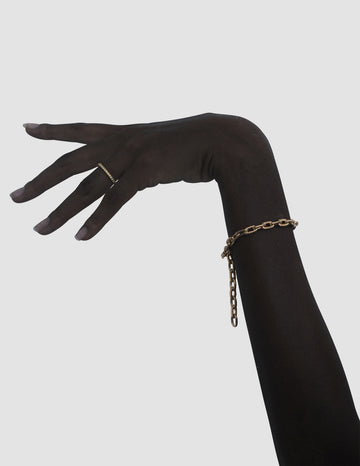
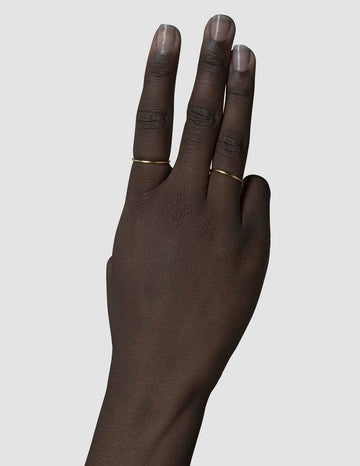
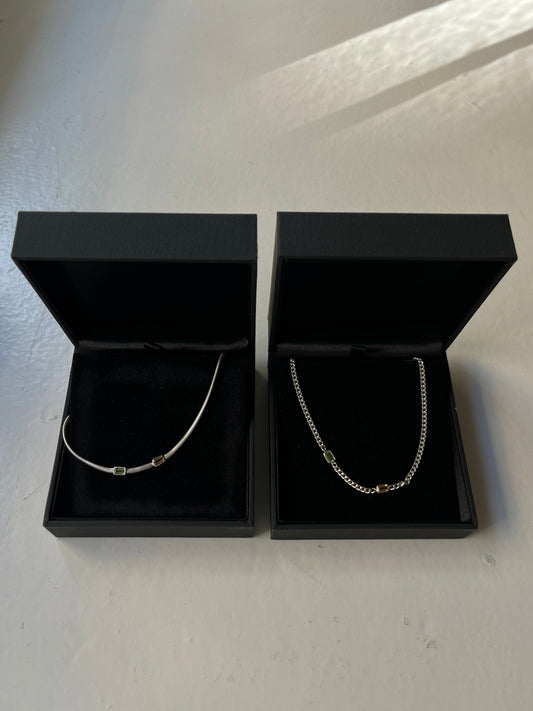
there's something visually interesting that happens when you layer gold and silver together. the contrast is subtle — warmer tones against cooler ones — but it creates a kind of depth that wearing one metal alone doesn't. it looks collected rather than coordinated. personal rather than polished.
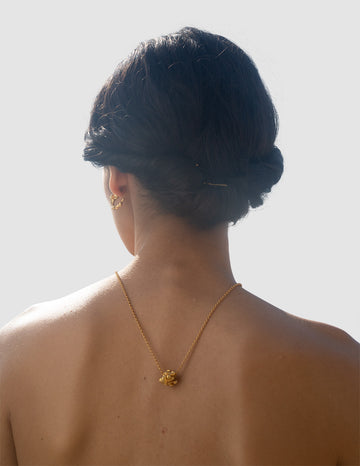
it's also, honestly, just more true to how most people actually own jewelry. your most meaningful pieces rarely all arrive in the same metal. the ring your mother gave you. the necklace you found on a trip. the pair of earrings you bought yourself on a good day. they don't match, and they don't need to.
a few ways we wear it
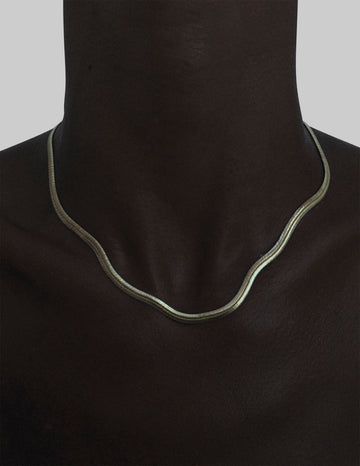
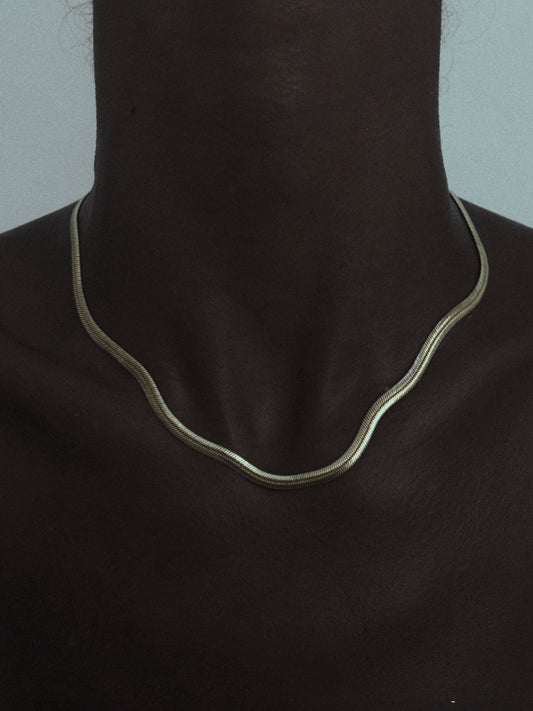
anna, our founder, has been layering the snake necklace in both gold and silver lately — wearing them together, slightly different lengths, the two tones sitting against each other. it's one of those combinations that looks effortless and takes about thirty seconds.
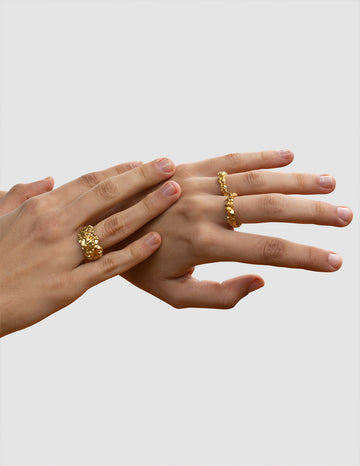
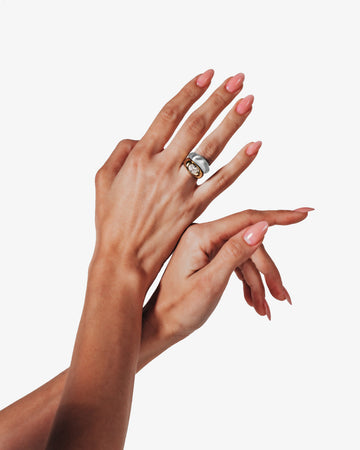
another favourite: the pyrite ring from our lux collection in silver on one finger, a simple ring in gold on another. the silver holds the stone, the gold keeps it grounded. the contrast makes both pieces more interesting than they'd be alone.
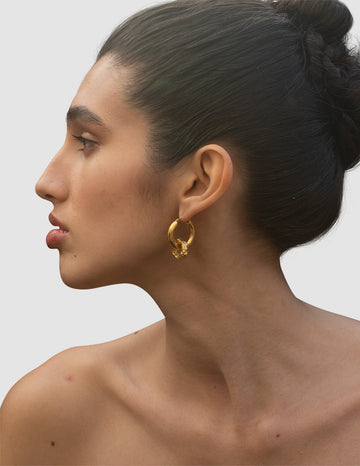
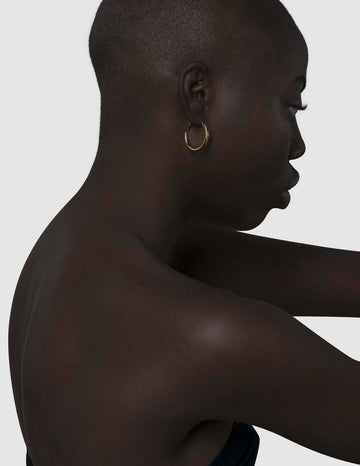
and then there's what you can do with our add-on system. take the hoops click in silver and add the melted add-on in gold — suddenly a simple hoop becomes something more considered, more personal. two metals, one earring, entirely your own.


a few principles, not rules
if you want a starting point:
vary the scale. a chunky silver piece pairs well with a delicate gold one. similar sizes in two metals can compete — different weights tend to complement.
let one metal lead. you don't need perfect balance. choosing one as the base and letting the other play a supporting role usually feels more intentional than fifty-fifty.
bring in something inherited. a piece that carries history — a grandmother's ring, an old chain — often looks most beautiful when worn alongside something new. the age difference shows, and that's exactly the point.
trust your instincts. the rule never made sense to begin with. your combination doesn't need to either — it just needs to feel like you.