why does silver tarnish — and what can you do about it?
part one of our jewelry care series
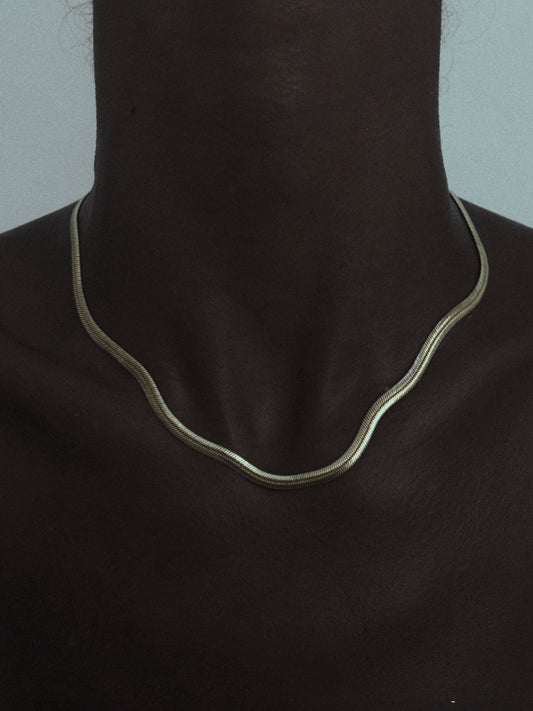
you've worn your favorite silver necklace almost every day this summer. and then one morning you notice it — a slight dullness, a yellowish or grayish film where there used to be shine. it hasn't broken. it hasn't aged badly. it's simply tarnished.
it happens to all silver. and once you understand why, it stops feeling like a problem and starts feeling like something you can easily manage.
why silver tarnishes
silver is a reactive metal. when it comes into contact with sulfur compounds in the air — present in humidity, certain foods, rubber, and some fabrics — it forms a thin layer of silver sulfide on the surface. that dark, dull coating is tarnish.
it's not damage. it's chemistry.
a few things speed the process up: humidity and air exposure, and direct contact with perfume, body lotion, and sunscreen. a good habit to build: put your jewelry on last, after your skincare routine. take it off first before you moisturise or spritz. it makes a real difference over time.
what you can do about it
a silver polishing cloth the simplest option. a good polishing cloth — we like the connoisseurs polishing cloth — has a light cleaning agent built into the fabric. a few gentle strokes and the tarnish lifts. quick, affordable, and safe for pieces with add-ons or stones.
best for: light to moderate tarnish, everyday maintenance
a silver bath for more stubborn tarnish, a dip solution like hagerty silver clean works quickly — submerge briefly, rinse thoroughly, dry well. the results are often immediate.
one important note: never put gold vermeil pieces in a silver bath. the solution removes the gold layer slightly and will damage the finish over time. keep it strictly for silver.
best for: heavily tarnished pieces, chains and intricate forms where a cloth can't reach not suitable for: pieces with gemstones, pearls, or gold vermeil finishes
homemade cleaners — baking soda and aluminium foil you may have seen this method online: line a bowl with aluminium foil, add hot water and baking soda, and place your silver inside. it creates a chemical reaction that draws tarnish off the surface.
it works — but use it with caution. baking soda is mildly abrasive and the method can be too harsh for delicate pieces, pieces with stones, or anything with a treated finish. if you try it, keep the soaking time short and rinse and dry thoroughly afterwards. we'd recommend the cloth or the bath over this for most pieces.
storage
how you store silver matters as much as how you clean it:
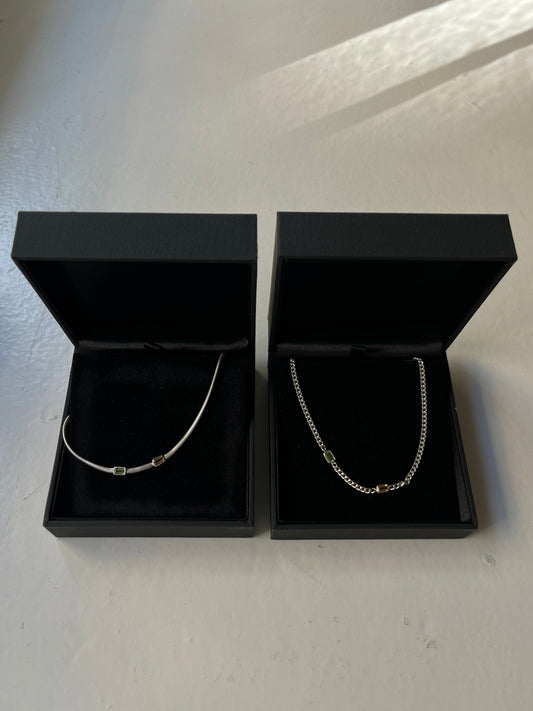
- store in a dry, clean cloth pouch or a closed box — limiting air exposure slows tarnish significantly (thats why you get a cute jewelry box from us with every purchase)
- keep silver away from humidity — a bathroom shelf is one of the worst places for it
- store pieces separately to avoid scratching
a note on patina
not everyone wants to remove tarnish entirely. on sculptural or textured pieces, a little darkness in the recesses adds depth and character. there's no rule that says shine is the only right answer.
rather bring it to us?
if a piece needs more care than you can give it at home, bring it into our zurich store. we're happy to clean it for you and make sure it leaves looking its best.
because good jewelry deserves to be worn — not left at the back of a drawer.
this is part one of our care series. next up: how to care for your gold vermeil pieces.